

What You Might Not Know About Lavender
A Closer Look at Lavender’s History, Variety, and Use.
Lavender is often thought of as a calming scent—familiar, gentle, and uncomplicated. But behind that recognizable aroma is a plant with a long, varied history and a surprising level of complexity. In fact, many of the ways lavender is used today trace back thousands of years, grounded in observation long before modern science existed to explain why it worked.
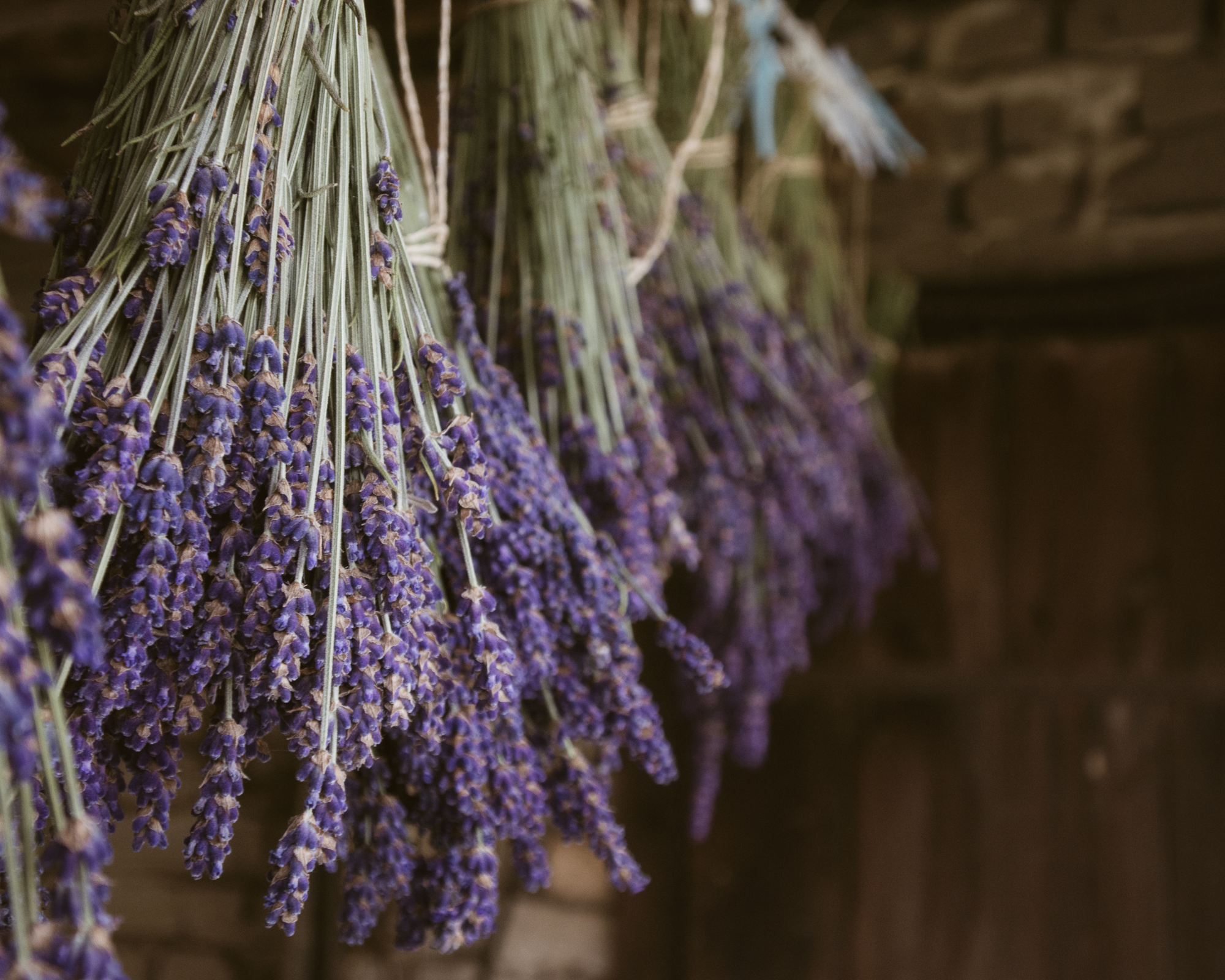
Lavender’s story begins in the Mediterranean and Middle East, where it was used by ancient civilizations including the Egyptians, Greeks, and Romans. The Romans valued lavender in bathing rituals and for scenting linens, while the Egyptians incorporated it into perfume and ceremonial preparations. The plant’s name itself is thought to come from the Latin lavare, meaning “to wash”—a reminder of how closely lavender has been associated with cleansing and daily care throughout history.
During the Middle Ages, lavender continued to be widely used across Europe. It was commonly placed in homes and on clothing, and it became one of the herbs people reached for during periods of illness and uncertainty. These practices were not based on chemistry or clinical trials, but on repeated experience. Lavender remained in use because people noticed its effects and returned to it generation after generation.
What is particularly interesting is that modern research now helps explain some of these historical observations. Studies examining lavender essential oil have shown that it contains naturally occurring compounds such as linalool and linalyl acetate—components that interact with the body in measurable ways. Research has shown that these compounds can influence inflammatory pathways and support processes related to tissue repair, offering insight into why lavender has so long been used in topical applications (Mori et al., 2016; Pandur et al., 2021).
Another lesser-known fact is that lavender is not a single plant with a single effect. Lavender belongs to the Lavandula genus, which includes multiple species and varieties, each with its own chemical profile and aromatic character. For example, Lavandula angustifolia, the most commonly used lavender, is often associated with softer, sweeter aromas, while spike lavender (Lavandula latifolia) contains higher levels of camphor, giving it a sharper, more stimulating scent. These differences matter—not just aromatically, but in terms of safety, application, and how lavender is experienced by different people.
This diversity helps explain why lavender can feel deeply soothing to some, gently clarifying to others, and occasionally overwhelming when used without intention.
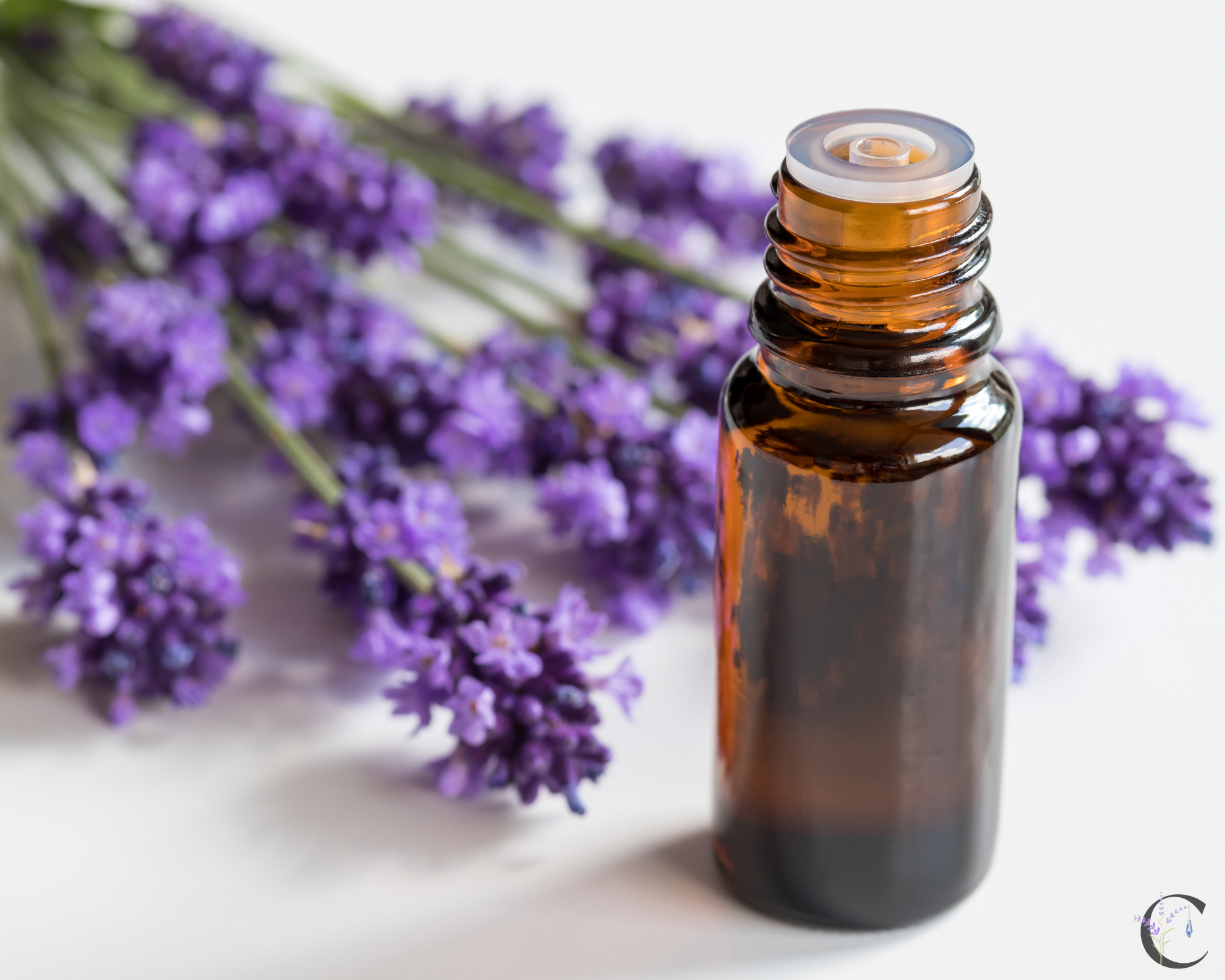
One reason lavender can feel inconsistent—or even unpleasant—in many modern products has less to do with the plant itself and more to do with what is being used to create the scent. Many commercially scented “lavender” products rely on fragrance oils rather than true lavender essential oil. Fragrance oils are created by replicating and modifying aromatic profiles synthetically, often for consistency or cost, and they do not contain the naturally occurring botanical compounds found in essential oils. As a result, the aroma may resemble lavender in name, but it does not reflect the complexity, variation, or sensory depth of the living plant. This distinction helps explain why some people love working with real lavender yet strongly dislike many lavender-scented products on the market.
Lavender can be experienced in many forms, each offering a different expression of the plant. Essential oils deliver a concentrated aromatic experience, while infused oils and hydrosols provide softer, more approachable options for everyday use. Historically, these forms were not interchangeable; they were chosen based on need, context, and sensitivity. That same discernment remains important today.
What has allowed lavender to endure is not that it promises the same outcome for everyone, but that it has consistently met people where they are. Long before lavender was marketed as “relaxing,” it was simply used—observed, adjusted, and respected for both its gentleness and its strength.
Revisiting lavender through this lens invites a shift from assumption to curiosity. Rather than asking what lavender is supposed to do, it invites us to ask how it responds—on the skin, through scent, and over time.
And perhaps that is lavender’s quiet brilliance: not that it dominates, but that it remains.
If this brief look at lavender sparked curiosity, the full guide explores the plant in greater depth—covering botanical variety, topical and aromatic use, safety considerations, and a simple, intentional way to work with lavender at home.
[Explore the Lavender Guide here]
Mori, H. M., et al. (2016). Wound healing potential of lavender oil by acceleration of formation of granulation tissue and collagen remodeling. PMC. https://www.ncbi.nlm.nih.gov/articles/PMC4880962/