Beyond the Scent: The Science of Aromatherapy
How Essential Oils Interact with the Body and Nervous System
Aromatherapy — Beyond the “Woo-Woo”
For many people, the word aromatherapy brings to mind something vague, mystical, or purely emotional — often grouped into the category of “feel-good” practices without much substance behind it. It is sometimes dismissed as placebo, trend-driven, or rooted more in belief than in biology.
While aromatherapy certainly engages the senses and emotions, it is not disconnected from science. At its core, aromatherapy involves the use of volatile aromatic compounds derived from plant matter via flowers, leaves, bark, roots, seeds, and fruits (rinds/peels), as well as resins and woods— compounds that the body is designed to detect, process, and respond to. When we inhale scent, those aromatic molecules interact with specific receptors and neural pathways that are directly linked to the nervous system.

As an aromatherapist, I believe it is important to move beyond vague explanations and into informed, responsible education. Aromatherapy is not magic, and it is not meant to “fix” or cure the body. Instead, it works by supporting the body’s natural physiological responses — particularly those connected to stress, mood, and sensory regulation — through pathways that are increasingly well-studied in scientific research.
Understanding how aromatherapy works allows us to use it with intention, respect, and realism — appreciating both its limitations and its potential.
Before we continue, it’s helpful to clarify a word that comes up often in aromatherapy: volatile. In this context, volatile simply means that essential oils evaporate and disperse into the air easily once they’re exposed. This is what allows us to smell them in the first place.
Not all essential oils are equally volatile. Depending on their molecular structure, some oils evaporate and disperse more quickly than others. Lighter, smaller molecules tend to move into the air faster, while larger molecules release more slowly and linger longer.
What Is Aromatherapy (From a Scientific Perspective)
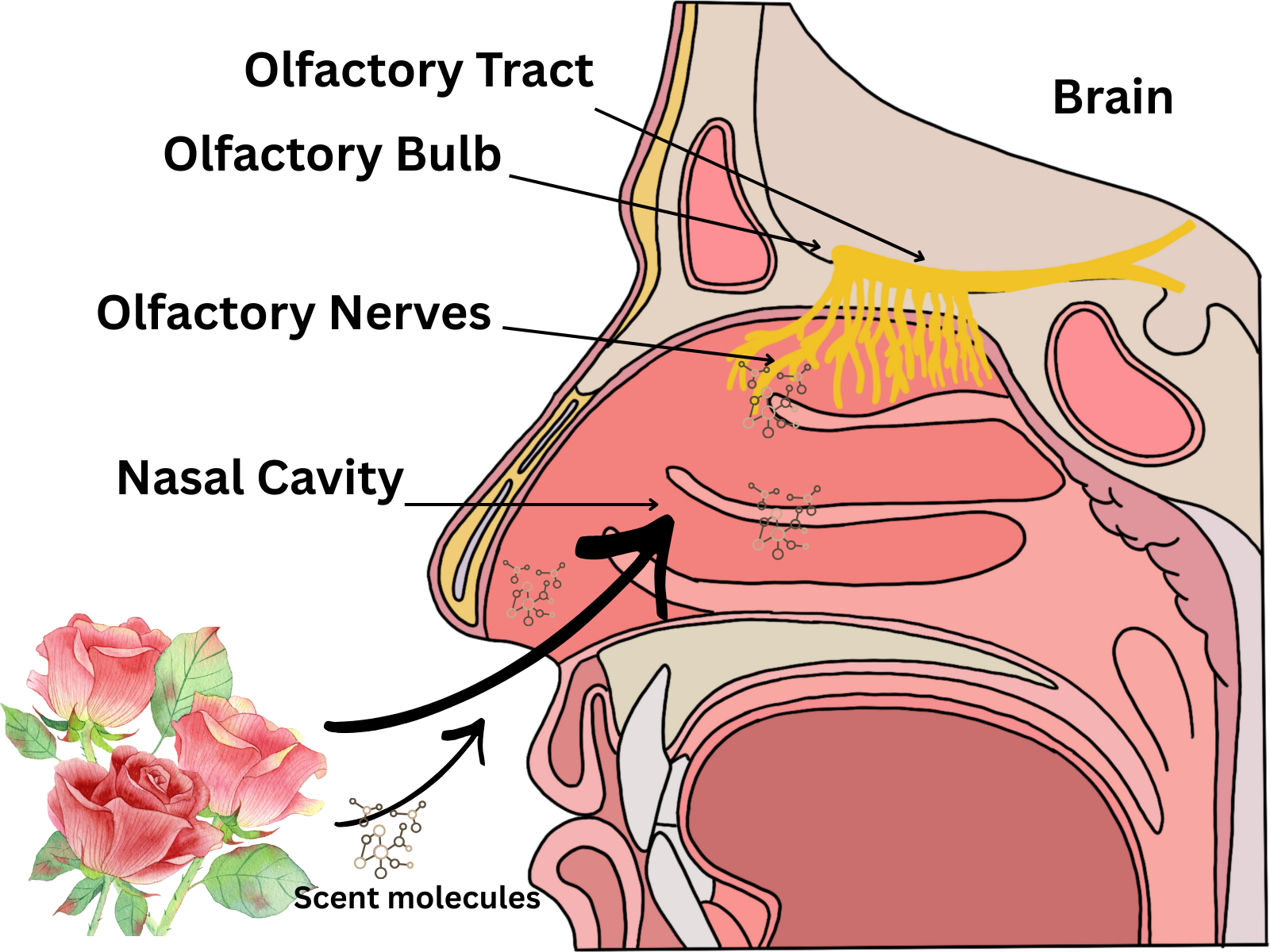
Aromatherapy is the intentional use of volatile aromatic plant compounds that interact with the body through specific physiological pathways. When inhaled, these aromatic molecules come into contact with the olfactory epithelium — a specialized membrane located in the nasal cavity. This tissue contains sensory neurons that detect odor molecules once they dissolve in the mucus lining the nose. Signals from these neurons are then transmitted to the limbic system, an area of the brain involved in emotion, memory, and nervous system regulation. This direct connection helps explain why scent can influence emotional states such as stress, calm, or alertness (Ali et al., 2015).
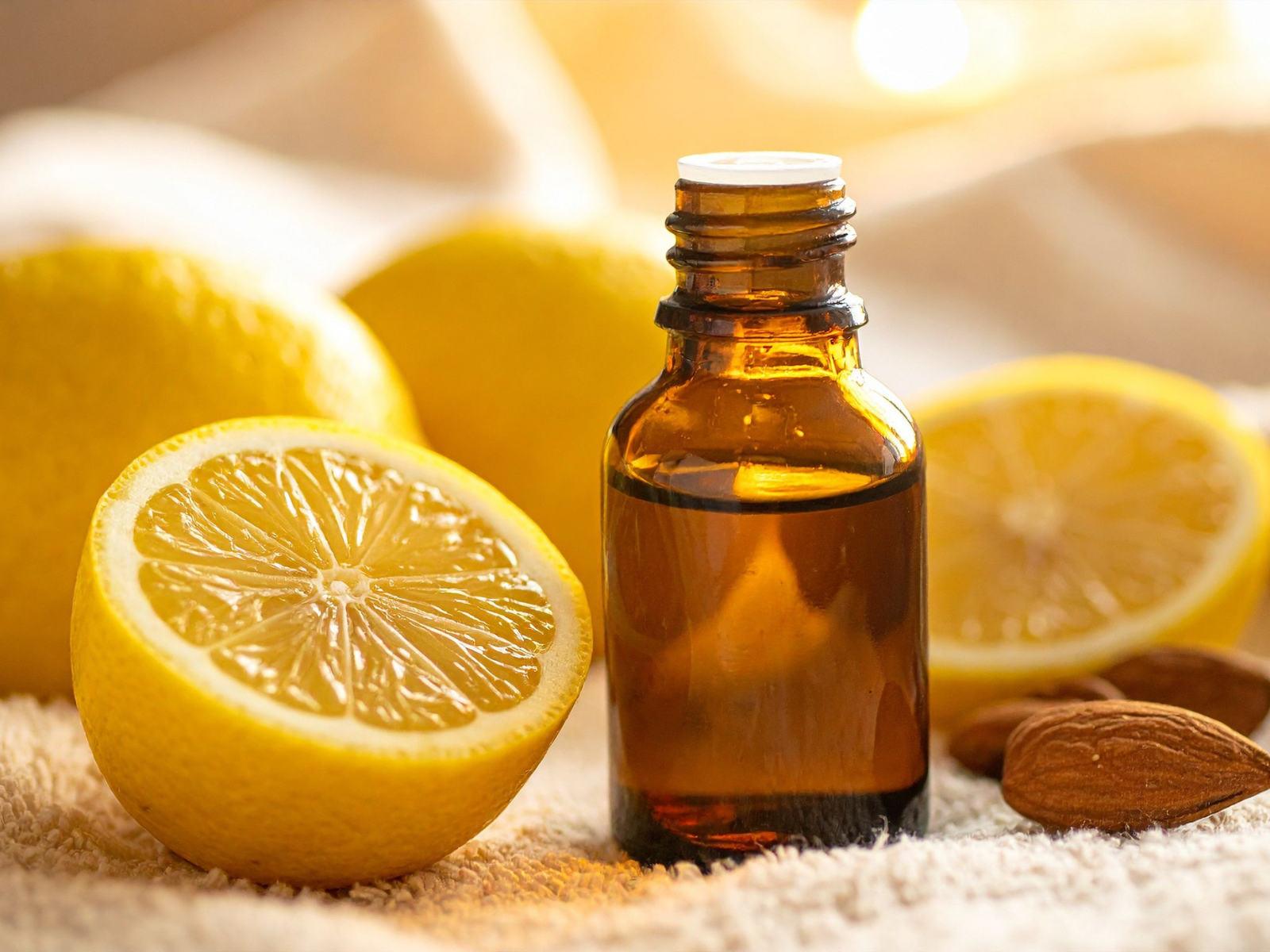
These volatile aromatic plant compounds are more commonly known as essential oils. Essential oils are concentrated plant extracts obtained through processes such as steam distillation, cold pressing, or, in some cases, solvent extraction. These methods separate aromatic compounds from the plant material, resulting in an essential oil and a water-based byproduct known as a hydrosol. Because essential oils are highly concentrated, their composition and quality are critical considerations in aromatherapy practice.
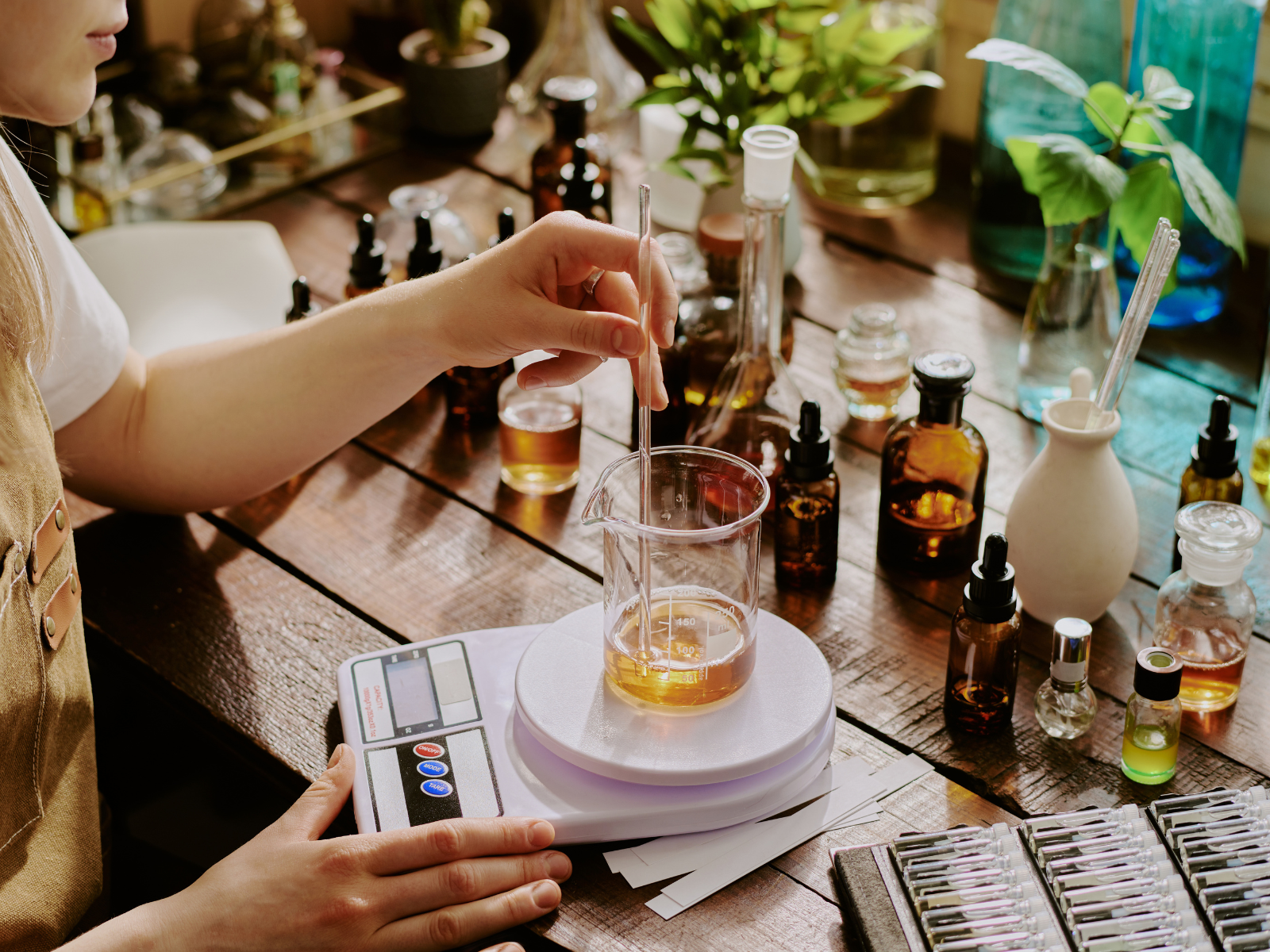
To assess quality and composition, essential oils are commonly analyzed using gas chromatography–mass spectrometry (GC/MS). This analytical method identifies the chemical constituents present in an essential oil and helps verify purity, detect adulteration, and confirm that the oil aligns with known compositional standards. As an aromatherapist, this information informs decisions around blending, application, dilution, and safety concentrations ensuring oils are used responsibly and intentionally.
Although aromatherapy has gained increased attention in recent decades, the use of aromatic plant materials is not a modern practice. Historical records trace the use of aromatic compounds back to ancient civilizations, including Egypt, China, Greece, and India, where they were incorporated into spiritual rituals, beauty practices, medicinal preparations, and embalming (Ali et al., 2015). The term aromatherapy itself was later introduced in the early 20th century by French chemist René-Maurice Gattefossé. Today, supported by an expanding body of research, aromatherapy is commonly used as a complementary practice to support mood, sleep, perceived stress, respiratory comfort, and skin health alongside conventional care.
How the Body Processes Aromatic Compounds
When you inhale an essential oil, its aromatic molecules travel into your nose and interact with specialized sensors called olfactory receptors. These receptors sit in a small patch of tissue called the olfactory epithelium — basically, your nose’s built-in scent-detecting system. Once activated, they send signals directly to your brain along the olfactory nerve, giving your body information about the aroma almost instantly.
What makes this interesting is that the olfactory pathway connects straight to the limbic system, the part of your brain that handles emotions, memories, and some automatic body functions like heart rate and breathing. That is why certain scents can quickly influence how you feel — lavender might help you feel calm, while citrus can feel uplifting (Ali et al., 2015).
Aromatherapy is not limited to smelling oils. Essential oils can also be applied topically when properly diluted in a carrier oil. Because many essential oil compounds are lipid-soluble (they dissolve in fats), they can pass through the outer layers of your skin. How much your body absorbs depends on several factors: molecule size, oil concentration, the condition of your skin, and how long it is applied. Take lavender and patchouli as an example. Lavender molecules are smaller, which means the scent spreads into the air more quickly and can also be absorbed faster through the skin. Patchouli molecules are larger, so its aroma tends to last longer, absorb more gradually. This is why understanding safe dilution and application is so important.
It is also worth noting that aromatherapy does not work the same way for everyone. The effects are influenced by your unique physiology, your personal scent preferences, and even your memories or associations with particular smells. That is what makes aromatherapy a supportive, flexible practice — it works with your nervous system, enhancing your body’s natural responses rather than forcing a specific outcome.
Aromatherapy & the Nervous System
Our nervous system is constantly at work, helping us respond to the world around us. It is made up of the central nervous system — the brain and spinal cord — and the autonomic nervous system, which quietly handles things like heart rate, breathing, and digestion. Within the autonomic system, the sympathetic branch gears us up for action, while the parasympathetic branch helps us rest and restore.

Aromatherapy taps into this system through our sense of smell. When we inhale essential oils, aromatic molecules reach the olfactory receptors in our nose, which send signals straight to the limbic system — the part of the brain that handles emotion and memory. That is why certain scents can instantly shift how we feel or even subtly influence stress and relaxation (Ali et al., 2015).
It is worth noting, though, that aromatherapy does not force your body into a particular state. How you respond depends on your own physiology, experiences, and even your personal scent preferences. Some people feel a calming effect from lavender, while others might not notice much at all. That variability is part of what makes aromatherapy both fascinating and personal.
When used thoughtfully, aromatherapy can complement everyday wellness routines. It is not a replacement for medical care, but it can offer moments of sensory awareness, emotional support, and calm — helping the nervous system do what it naturally does best.
In Closing
Aromatherapy is more than just a pleasant scent or a feel-good trend. It is a practice rooted in both tradition and in science, connecting our senses to our nervous system in ways that can support mood, stress management, and overall wellbeing. By understanding how essential oils interact with the body — from the olfactory receptors in the nose to the limbic system in the brain — we can use aromatherapy intentionally and responsibly, rather than relying on guesswork or myths.
As we continue to explore plant-based wellness, it is exciting to see how these natural compounds can complement modern lifestyles. In future posts, we will dive deeper into plant-based ingredients, how they support the body and the environment, and even explore individual oils in detail — giving you the tools to make informed choices in your self-care routines.