 Image 1 of 4
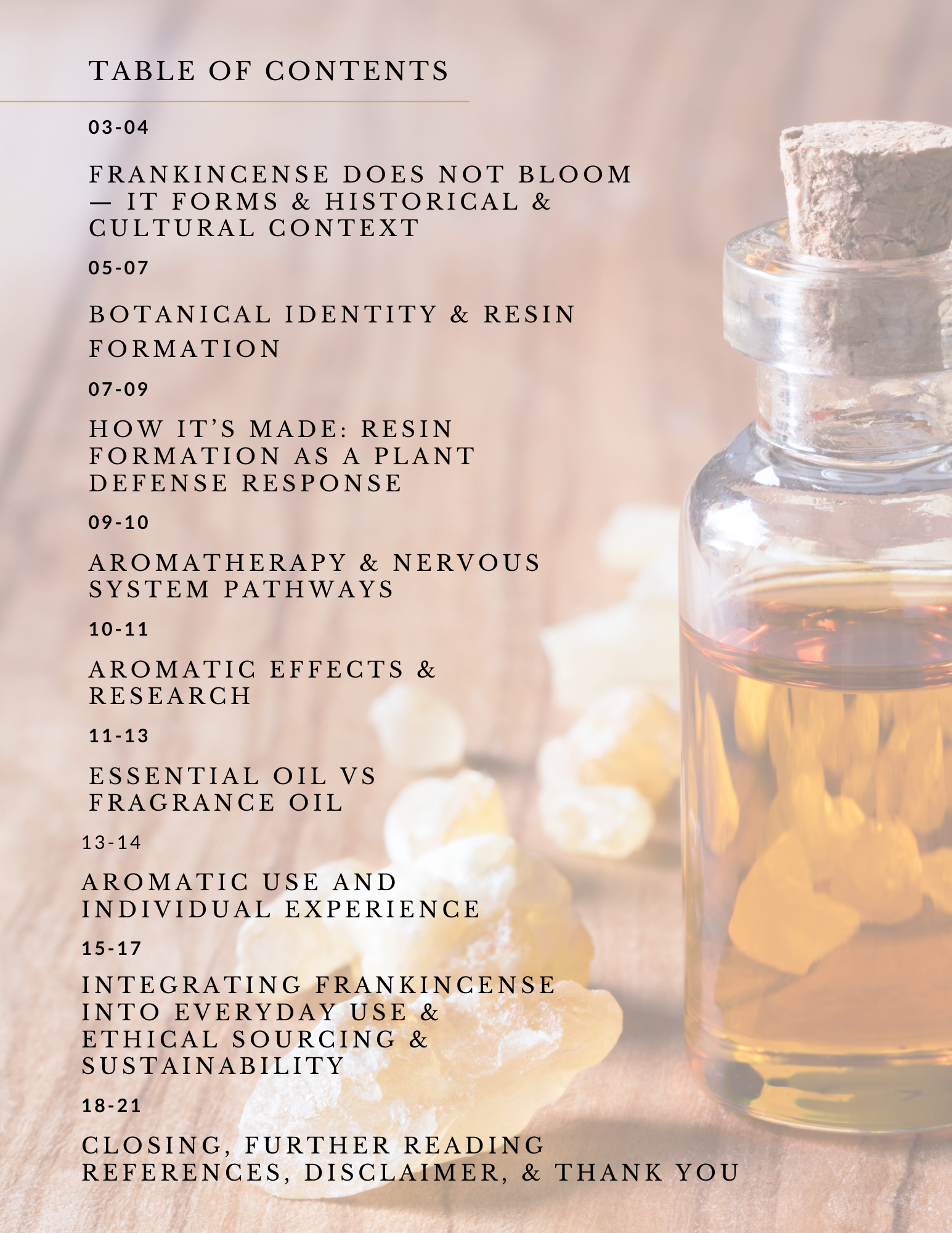 Image 2 of 4
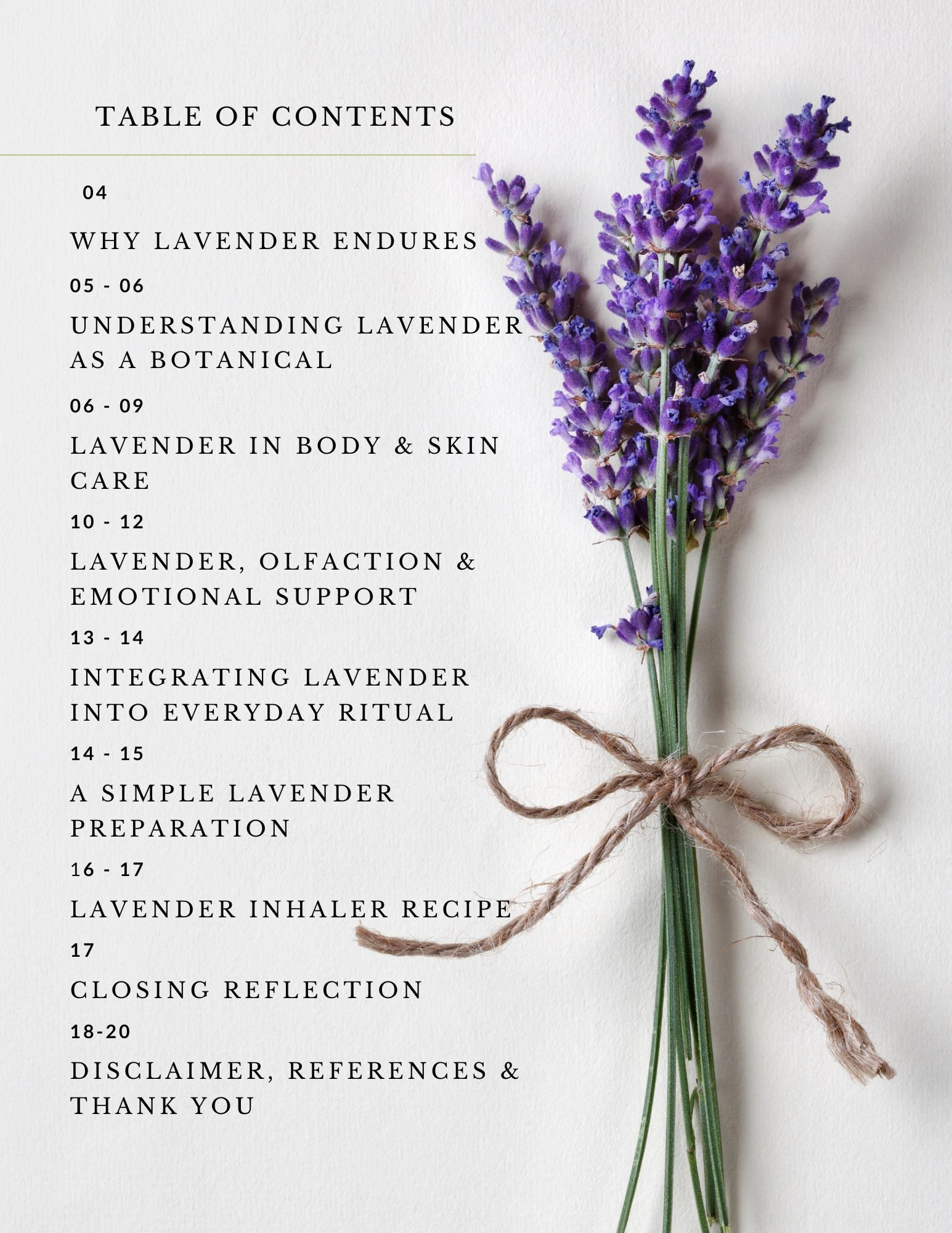
 Image 3 of 4
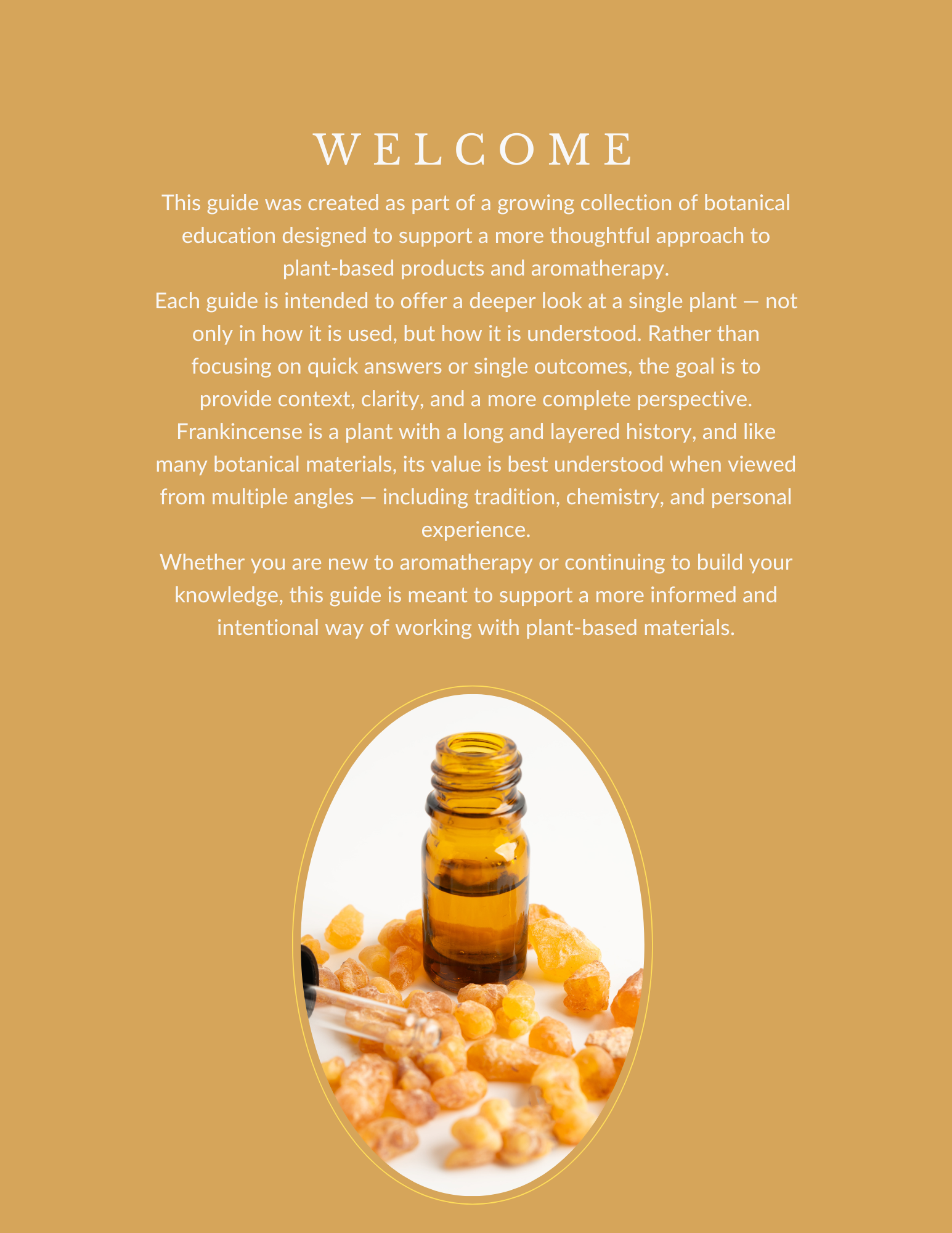 Image 4 of 4
-
✔️ Frankincense history and traditional use
✔️ Botanical identity and Boswellia species distinctions
✔️ Resin formation, harvesting, and sustainability considerations
✔️ Essential oil vs. resin understanding
✔️ Aromatic use and individual experience
✔️ Thoughtful use and safety awareness
✔️ A simple frankincense inhaler example
✔️ References for further learning
-
✔️ Digital PDF download
✔️ Approximately 23 pages
✔️ Text-forward, editorial design
✔️ Intended for educational use
-
✔️ Those curious about frankincense beyond common assumptions
✔️ Beginners in aromatherapy or botanical study
✔️ Individuals interested in intentional, plant-based wellness
✔️ Readers who prefer education over quick fixes
-
This guide is intended for educational purposes only and does not replace professional medical advice. Individual responses to essential oils vary, and proper dilution and personal sensitivity should always be considered.
-
Cari is a plant-based formulator and aromatherapy practitioner with a focus on thoughtful, safety-conscious use of botanical ingredients. Her work centers on helping others develop an intentional, informed relationship with aromatic plants, drawing from both traditional use and modern understanding.