
Why Plant-Based Ingredients Matter for Skin, Body, and the Planet
The Value of Plant-Based Ingredients
When I first made the decision to build an all-natural, plant-based company, I was surprised by some of the reactions I received. Eye rolls, skepticism, and the assumption that I was simply following a trend left me confused. It quickly became clear that for many people, the term plant-based had lost its meaning — reduced to a buzzword rather than understood for its real value.

While plant-based ingredients are often associated with being cruelty-free and more environmentally conscious — both causes I do support — their benefits go far beyond that. Plant-derived oils, butters, waxes, and extracts are naturally rich in skin-supportive vitamins, antioxidants, and fatty acids. These compounds help nourish the skin barrier, support repair, reduce inflammation, and improve overall texture, all while being gentler on sensitive or compromised skin.
Understanding why plant-based ingredients matter requires looking beyond trends and marketing claims. It means examining how these ingredients interact with the skin, support the body’s natural processes, and, yes, how they can also be more considerate of the planet. In this article, we will focus first on what matters most to many people — healthy, supported skin — and explore why plant-based choices can be both practical and impactful.
What “Plant-Based” Really Means for the Skin
Our skin is the largest organ of the body and plays a vital role in protecting us every day. It is made up of three main layers: the epidermis, the outermost layer that acts as a protective barrier; the dermis, where skin cells, collagen, and elastin are formed; and the hypodermis, the deeper fatty layer that provides insulation and cushioning. Beyond appearance, the skin supports temperature regulation, protection from external stressors, and overall resilience. Because of this, what we apply to our skin matters.
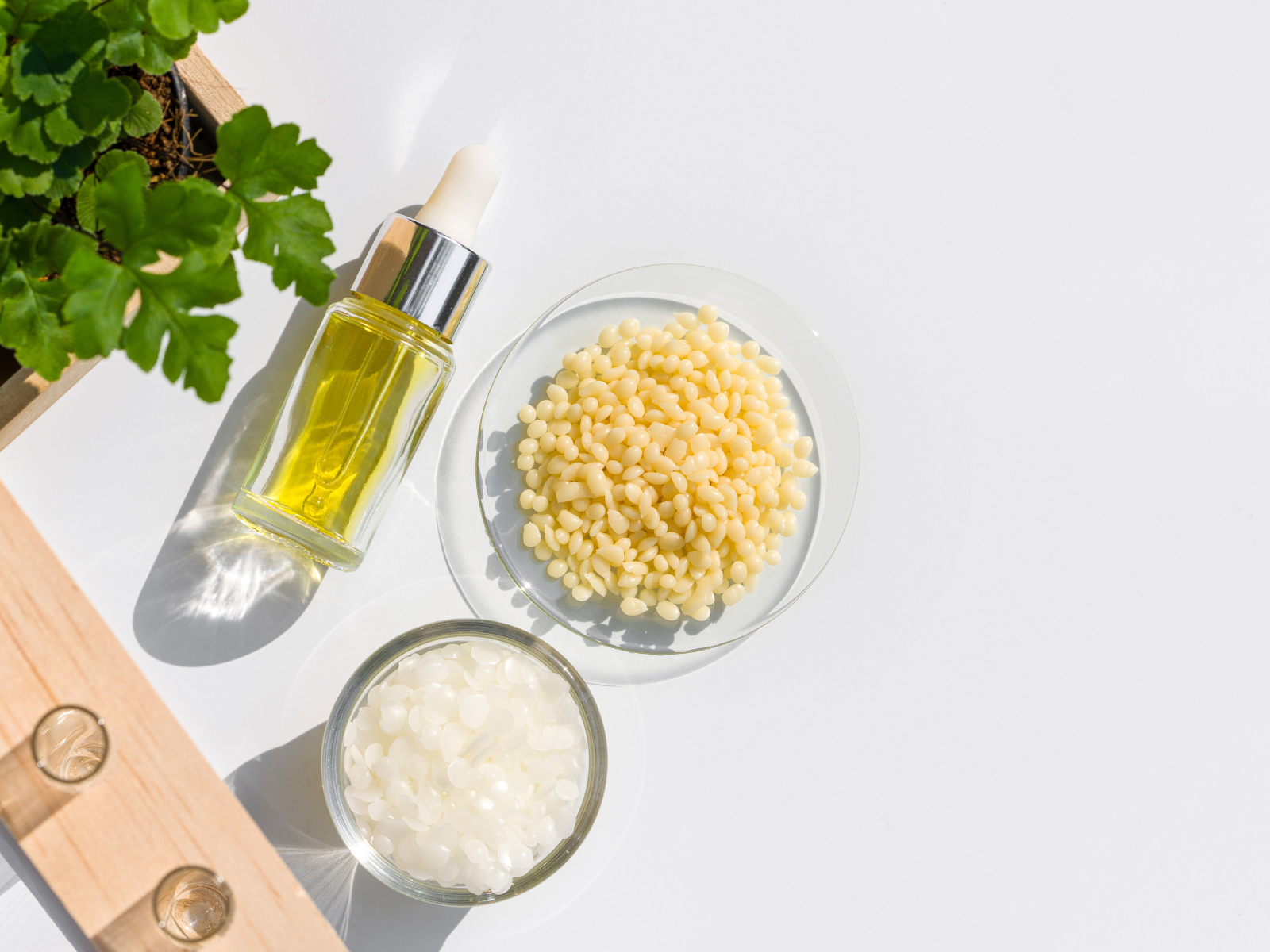
So, what does plant-based skincare actually mean? Plant-based skincare refers to products formulated using ingredients derived from botanical sources such as herbs, flowers, fruits, seeds, resins, and roots. These plant materials naturally contain skin-supportive components including vitamins (such as B, C, and E), minerals, antioxidants, and phytonutrients. Together, these compounds help nourish the skin, support repair, and protect against environmental stress.
Plant-based ingredients are often valued for their ability to work in harmony with the skin. Fatty acids found in plant oils and butters closely resemble the skin’s own lipid structure, allowing them to support the skin barrier rather than disrupt it. Antioxidants help neutralize oxidative stress and may reduce inflammation, while humectant properties can improve hydration and elasticity. This makes plant-based ingredients especially beneficial for dry, sensitive, or compromised skin (Michalak 2023).
It is also important to understand that not all plant-based ingredients are the same. Factors such as growing conditions, climate, harvesting methods, and processing techniques can influence an ingredient’s composition and effectiveness. Each plant-based ingredient offers its own unique profile of benefits, which is why thoughtful sourcing and formulation are essential.
Why Plant-Based Ingredients Support Skin Health
Now that we understand what plant-based ingredients are and how they interact with the skin, it is helpful to look at why they can be so supportive in skincare formulations. Healthy skin depends on a strong barrier, balanced hydration, and protection against daily stressors such as environmental exposure and inflammation. Plant-based ingredients naturally contribute to each of these areas.

Many plant oils and butters are rich in essential fatty acids, which are a key component of the skin’s lipid barrier. This barrier helps prevent moisture loss while protecting the skin from external irritants. When the lipid barrier is compromised, skin can become dry, irritated, or more reactive. Because the fatty acid profiles of plant-based oils closely resemble the skin’s own lipids, they are able to support barrier repair and function rather than disrupt it (Michalak, Year).
Plant-derived ingredients are also a natural source of antioxidants, including polyphenols, flavonoids, and vitamins such as C and E. Antioxidants help neutralize free radicals generated by environmental factors like pollution, UV exposure, and stress. By reducing oxidative stress, antioxidants play a role in supporting skin resilience, calming inflammation, and maintaining overall skin health.
In addition to barrier support and antioxidant protection, many plant-based ingredients help improve hydration and elasticity. Botanical oils and butters can act as emollients, softening the skin and smoothing its surface, while certain plant compounds help attract and retain moisture. This combination supports a balanced skin environment, which is especially important during colder months or periods of increased dryness.
One of the reasons plant-based skincare is often better tolerated by sensitive or compromised skin is that these ingredients tend to work with the skin’s natural processes rather than override them. When thoughtfully sourced and properly formulated, plant-based ingredients can provide nourishment, protection, and balance — supporting skin health in a way that feels both effective and gentle.
Supporting the Body Beyond the Skin
While the most visible effects of plant-based ingredients are seen on the skin, their support does not stop there. The skin is not an isolated system — it is closely connected to the body’s overall state of balance, including stress levels, inflammation, and sensory input. For this reason, skincare formulated with thoughtfully chosen plant-based ingredients can also support the body more holistically.
Many plant-based skincare products include aromatic components derived from botanicals, such as essential oils and hydrosols. When used appropriately, these aromatic compounds interact with the body through the sense of smell, engaging pathways connected to the nervous system. As discussed in the previous blog, scent can influence how the body processes stress, relaxation, and emotional states. This sensory aspect adds another layer of support beyond surface-level skin care.
Additionally, plant-derived lipids and bioactive compounds can contribute to overall skin comfort, which often means fewer sensations of tightness, irritation, or discomfort. When skin feels supported and balanced, the body is less likely to remain in a state of heightened stress or reactivity. In this way, plant-based skincare can indirectly support wellbeing by promoting physical comfort and sensory ease.
Approaching skincare from a whole-body perspective encourages more mindful routines. Applying a body butter, face oil, or mist becomes more than a functional step — it becomes a moment of intentional care. This connection between touch, scent, and routine allows plant-based products to support both the physical body and the nervous system, reinforcing the idea that skincare can be a form of everyday self-care rather than a purely cosmetic task.
The Environmental Impact of Plant-Based Ingredients
While skin health is often the primary reason people seek out plant-based ingredients, environmental considerations are an important part of the broader picture. The choices made in skincare formulations do not stop at personal benefit — they also influence how ingredients are sourced, processed, and returned to the environment.
Plant-based ingredients are typically derived from renewable botanical sources such as seeds, nuts, fruits, leaves, and waxes. When responsibly cultivated and harvested, these resources can be replenished over time. Many plant-derived oils and butters are also biodegradable, meaning they break down more naturally once they enter waterways or soil, reducing long-term environmental persistence compared to some synthetic alternatives.
Environmental impact, however, is not defined by whether an ingredient is plant-based alone. Growing conditions, harvesting practices, processing methods, and supply chains all play a role in determining sustainability. This is why thoughtful sourcing matters just as much as ingredient selection. A plant-based ingredient sourced irresponsibly can still carry environmental costs, while a carefully sourced one can support both ecosystems and communities.
For many people, environmental benefits may not be the primary motivation for choosing plant-based skincare — and that’s okay. What matters is understanding that these choices can offer layered support: nourishing the skin, contributing to overall well-being, and reducing unnecessary environmental strain when approached intentionally.
Choosing Plant-Based Ingredients with Intention
Incorporating plant-based ingredients into a skincare routine does not require an all-or-nothing approach. Small, thoughtful choices can make a meaningful difference — especially when the focus is on supporting skin health first.
When evaluating plant-based skincare products, it is helpful to look beyond front-facing labels and focus on formulation and purpose. Ingredients such as botanical oils, butters, waxes, and hydrosols should be chosen for how they support the skin barrier, hydration, and comfort. Products formulated with fewer, well-considered ingredients often allow the skin to respond more naturally without unnecessary irritation or overload.
It is also important to consider how products are used. Simple rituals — applying a body butter after bathing, massaging a face oil into the skin, or refreshing with a hydrosol mist — offer an opportunity to slow down and connect with the body. These moments of care support not only the skin, but the sensory experience that comes with touch and scent.
Ultimately, plant-based skincare works best when approached with intention rather than trends. Paying attention to how your skin feels, choosing ingredients that align with its needs, and being mindful of sourcing allows skincare to become a supportive, grounded part of everyday wellbeing.
Bringing It All Together
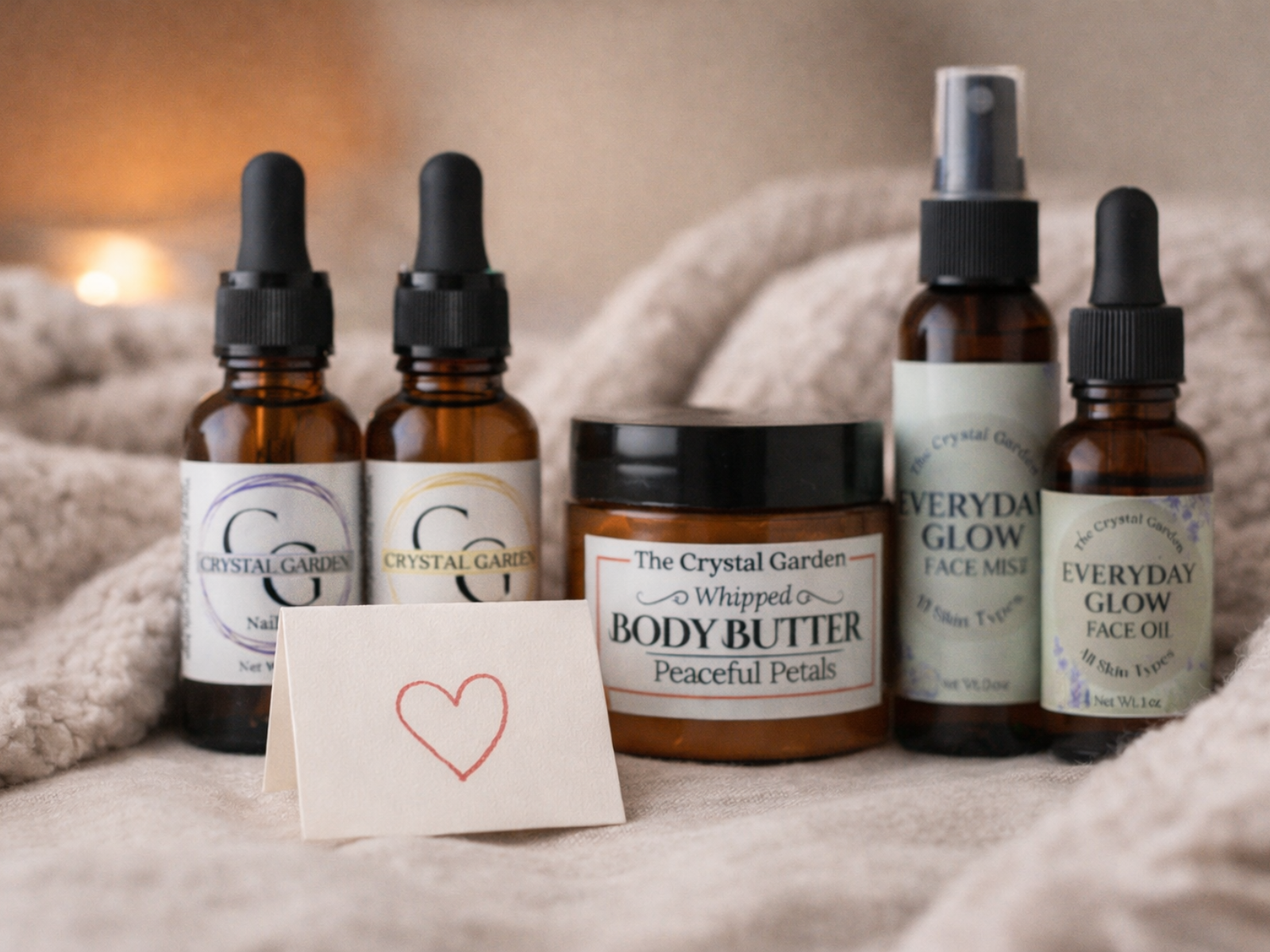
Plant-based ingredients offer more than a philosophy — they provide tangible benefits for skin health when thoughtfully selected and properly formulated. From supporting the skin’s natural barrier and hydration to offering gentler, more compatible care, these ingredients work in harmony with the body rather than against it.
While environmental considerations remain an important part of the conversation, the true value of plant-based skincare often begins with the skin itself. When skin feels nourished, supported, and comfortable, it allows space for deeper awareness — of the body, daily routines, and the choices we make.
Choosing plant-based ingredients does not have to be about perfection. It can simply be about making informed, intentional decisions that support skin health today while planting seeds for a more thoughtful approach to care overall.

Reference
Michalak, M. (2023). Plant Extracts as Skin Care and Therapeutic Agents. International Journal of Molecular Sciences, 24(20), 15444. https://doi.org/10.3390/ijms242015444