Synthetic vs. Plant-Derived: What Actually Matters for Your Skin
In the world of skincare, few topics create more confusion than the conversation around “synthetic” vs. “plant-derived” ingredients.
You’ve likely seen both sides—products labeled as all-natural and others described as scientifically formulated, each presented as the better choice. Over time, this has led to a simplified idea that natural is always good, and synthetic is something to avoid.
But skincare isn’t quite that straightforward.
Both plant-derived and synthetic ingredients have a place in formulation. This blog isn’t intended to tell you that one category is inherently better or worse. What matters more is how ingredients are used, how and why they’re formulated, and how your skin responds to them over time.
Rather than focusing on which category is better, this article looks at how these ingredients differ in composition, how they engage with the skin, and why they’re used—even within natural products.
What Do We Mean by “Plant-Derived”?
Plant-derived ingredients are sourced from botanicals—such as seeds, flowers, roots, and resins—but their value in skincare goes beyond their origin.

Each ingredient carries a complex profile of fatty acids, antioxidants, and bioactive compounds that influence how it interacts with the skin. These compounds can support the skin barrier, improve hydration, and contribute to overall balance when used thoughtfully within a formulation.
Many plant-based oils and butters, for example, contain fatty acids that closely resemble those found in the skin’s natural lipid barrier. Because of this, they can support hydration and barrier function in a way that feels more compatible with the skin’s structure.
At the same time, these ingredients are naturally variable. Their composition can shift depending on growing conditions, harvesting, and processing methods. This variability is part of what makes natural formulation more nuanced—and more dependent on quality and handling.
What Do We Mean by “Synthetic”?
Synthetic ingredients are typically created or modified in a lab to serve specific functions within a formulation.
Rather than containing a broad range of naturally occurring compounds, these ingredients are often designed as isolated or standardized components. This allows for consistency, stability, and precise control over how a product performs—from texture and absorption to shelf life.
In skincare, synthetic ingredients are commonly used to replicate certain effects, enhance performance, or maintain product integrity over time. Their structure and predictability make them a reliable option in formulations where uniformity is a priority.
It’s also important to note that not everyone will have a negative or noticeable reaction to synthetic ingredients. Many are designed to be stable, consistent, and well-tolerated across a wide range of skin types.
The distinction isn’t necessarily about whether the skin will “react,” but rather about understanding what is being applied to the body—whether an ingredient is lab-created for a specific purpose or naturally occurring within a botanical source, and how that structure may interact with the skin over time.
Where the Conversation Gets Confusing
Part of the confusion around skincare ingredients comes from how they’re often talked about.
Terms like “chemical-free” or “non-toxic” are commonly used in marketing, but they don’t always have clear or consistent definitions. In reality, everything—from water to plant oils—is made up of chemicals, even if we don’t typically think of them that way.
This kind of language can make the conversation feel more black and white than it actually is.
Over time, it’s created a narrative where natural ingredients are seen as inherently good, while synthetic ingredients are viewed with skepticism. But skincare formulation is much more nuanced than that.
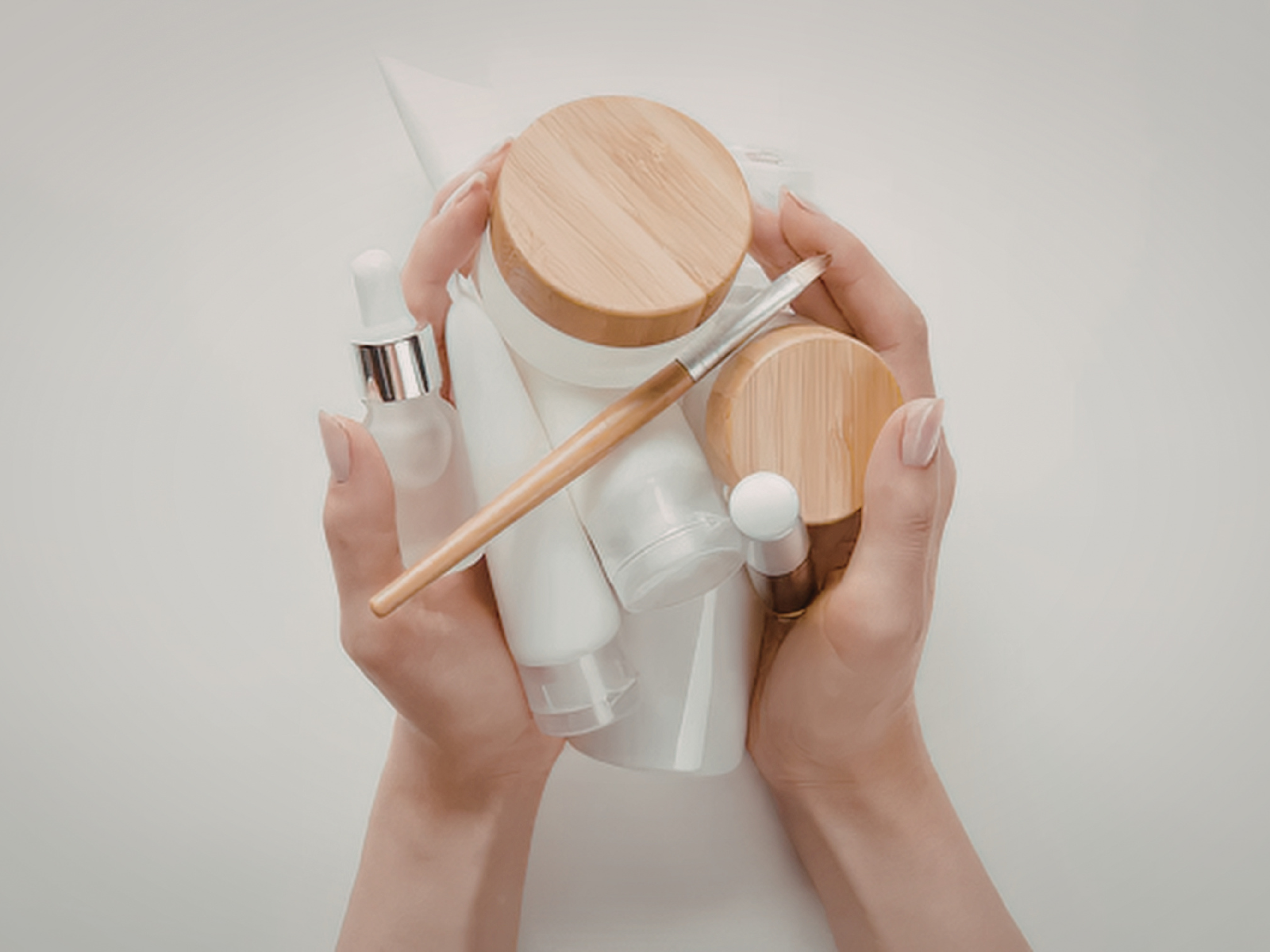
For many, choosing natural products isn’t about avoiding everything synthetic—although for some it may be—it’s about returning to simpler formulations and ingredients that feel more aligned with their personal approach to skincare.
When we move beyond these simplified labels, it becomes easier to focus on what truly matters: how a product is formulated, how it’s used, and how it works with your skin.
How Natural Ingredients Interact with the Skin
Natural ingredients are often valued in skincare because of how closely their composition aligns with the skin’s natural structure.
Many botanical oils and butters contain fatty acids that resemble those found in the skin’s own lipid barrier. This similarity allows them to integrate more easily at the surface level, helping to support barrier function, reduce moisture loss, and maintain overall skin balance.
In addition to lipid support, natural ingredients contain a range of bioactive compounds, including antioxidants, vitamins, and phytonutrients. These contribute to how the skin responds over time—supporting resilience and helping the skin adapt to environmental stressors.
Unlike isolated compounds, natural ingredients are inherently complex. A single oil or extract may contain dozens of naturally occurring components, each contributing to the overall effect.
Because of this, natural skincare is often less about controlling the skin and more about supporting its natural processes—working with the skin rather than trying to override it.
How Synthetic Ingredients Are Designed to Interact with the Skin
Synthetic ingredients are typically designed with a specific function in mind, often focusing on consistency, stability, and targeted performance.
Rather than containing a wide range of naturally occurring compounds, many synthetic ingredients are structured as isolated or standardized components. This allows formulators to predict how an ingredient will behave—how it spreads, absorbs, or interacts with other ingredients.
In some cases, synthetic ingredients are used to replicate effects found in nature, such as hydration or barrier support. In others, they are designed to improve texture, extend shelf life, or create a specific sensory experience.

Because of their simplified structure, these ingredients tend to interact with the skin in a more targeted way compared to the broader, multi-component interaction seen in natural ingredients.
A common group of synthetic ingredients you’ll often see in skincare are preservatives and stabilizers.
Preservatives are used to help prevent the growth of bacteria, yeast, and mold—particularly in products that contain water. Stabilizers and emulsifiers, on the other hand, help maintain a product’s consistency, ensuring that ingredients remain properly blended and that the texture stays the same over time.
These types of ingredients are not necessarily used for their direct benefit to the skin, but rather to support the safety, stability, and overall performance of a formulation.
Essential Oils vs. Fragrance Oils: What You May See on a Label
Fragrance is one area where the difference between natural and synthetic ingredients becomes more noticeable—especially on product labels.
Essential oils are derived directly from plant material through processes like steam distillation or cold pressing. Because of this, they carry the complex chemical profile of the plant they come from, including naturally occurring aromatic compounds that contribute not only to scent, but also to how they interact with the skin and body.
Fragrance oils, on the other hand, are typically lab-created or blended using synthetic aromatic compounds. These are designed to create consistent, long-lasting scents and can replicate natural aromas or produce entirely new ones.
While a fragrance oil may smell very similar to an essential oil, it does not replicate the full chemical composition of the plant. Because of this, it does not offer the same level of aromatic or therapeutic support that is often associated with essential oils in aromatherapy.
On an ingredient label, this difference is not always immediately obvious.
Essential oils are typically listed by their botanical (INCI) names, such as Lavandula angustifolia (lavender) oil or Citrus sinensis (sweet orange) peel oil.
Fragrance oils, however, may appear under more general terms such as:
“fragrance” or “parfum”
“natural fragrance”
“fragrance blend”
“aroma”
or proprietary blends that do not disclose individual components
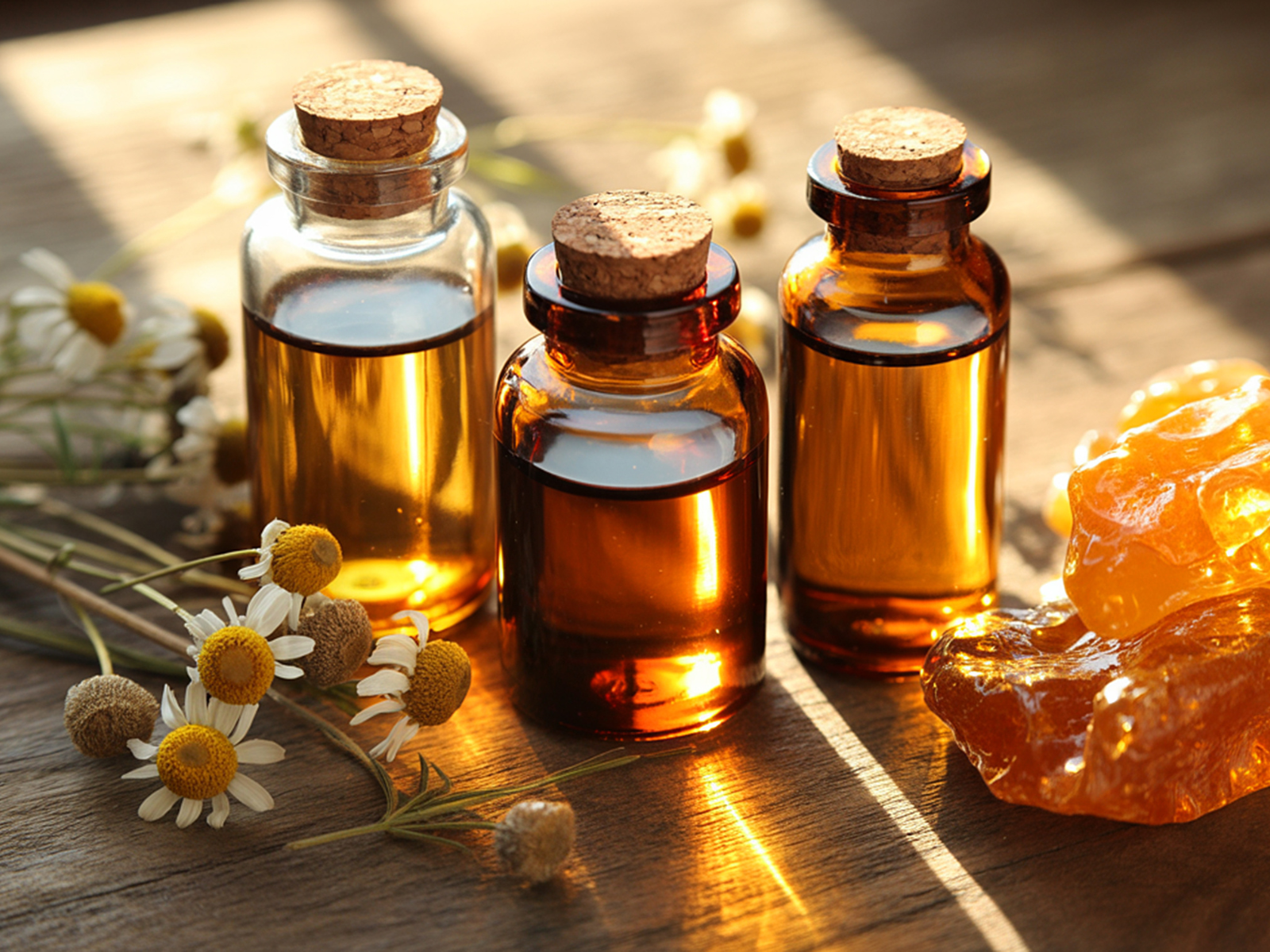
In some cases, labels may also use terms like “essential oil blend,” which can vary depending on the formulation and does not always guarantee that only pure essential oils are being used.
Understanding how these ingredients are labeled can help bring more clarity when evaluating products—especially for those who are mindful of how aromatic ingredients interact not just with the skin, but with the body as a whole.
Why You May Still See Preservatives and Stabilizers in Natural Products
Even in natural skincare, there are situations where additional ingredients—such as preservatives or stabilizers—are necessary.
Products that contain water, such as mists, lotions, or creams, create an environment where microbial growth can occur. Without proper preservation, these products can become unsafe to use over time.
Preservatives help prevent the growth of bacteria, yeast, and mold, while stabilizers and emulsifiers help keep formulations consistent from the first use to the last.
It’s also important to recognize that not all preservatives and stabilizing systems are created equally. Different ingredients vary in how they function, how they interact with the skin, and how well they align with a given formulation approach. In natural products, these ingredients are typically used with intention—selected to support safety and stability without introducing unnecessary complexity.
At the same time, products that avoid these systems entirely often come with trade-offs.
They may have a shorter shelf life and can be more sensitive to environmental factors like temperature changes, light exposure, and air. Over time, this can affect not only safety, but also texture, scent, and overall consistency.
This doesn’t make one approach better than another—it simply means different formulations require different levels of awareness in how they’re stored, used, and expected to perform.
Final Thoughts
This conversation isn’t really about deciding whether natural or synthetic ingredients are “better.” It’s about understanding where ingredients come from, how they interact with the skin, and why they’re used in the first place—even within products that are considered more natural. From there, the decision becomes more personal.
Your skin will respond based on what it’s given—how ingredients are structured, how they’re formulated, and how they fit into your routine over time. At The Crystal Garden, this is where our approach is rooted. We focus on simple formulations and intentional ingredients—carefully sourced, thoughtfully blended, and chosen for how they work with the skin and the body as a whole, not just at the surface level.
And when you begin to understand what you’re using—and why—that decision tends to feel a lot more clear.